Introduction
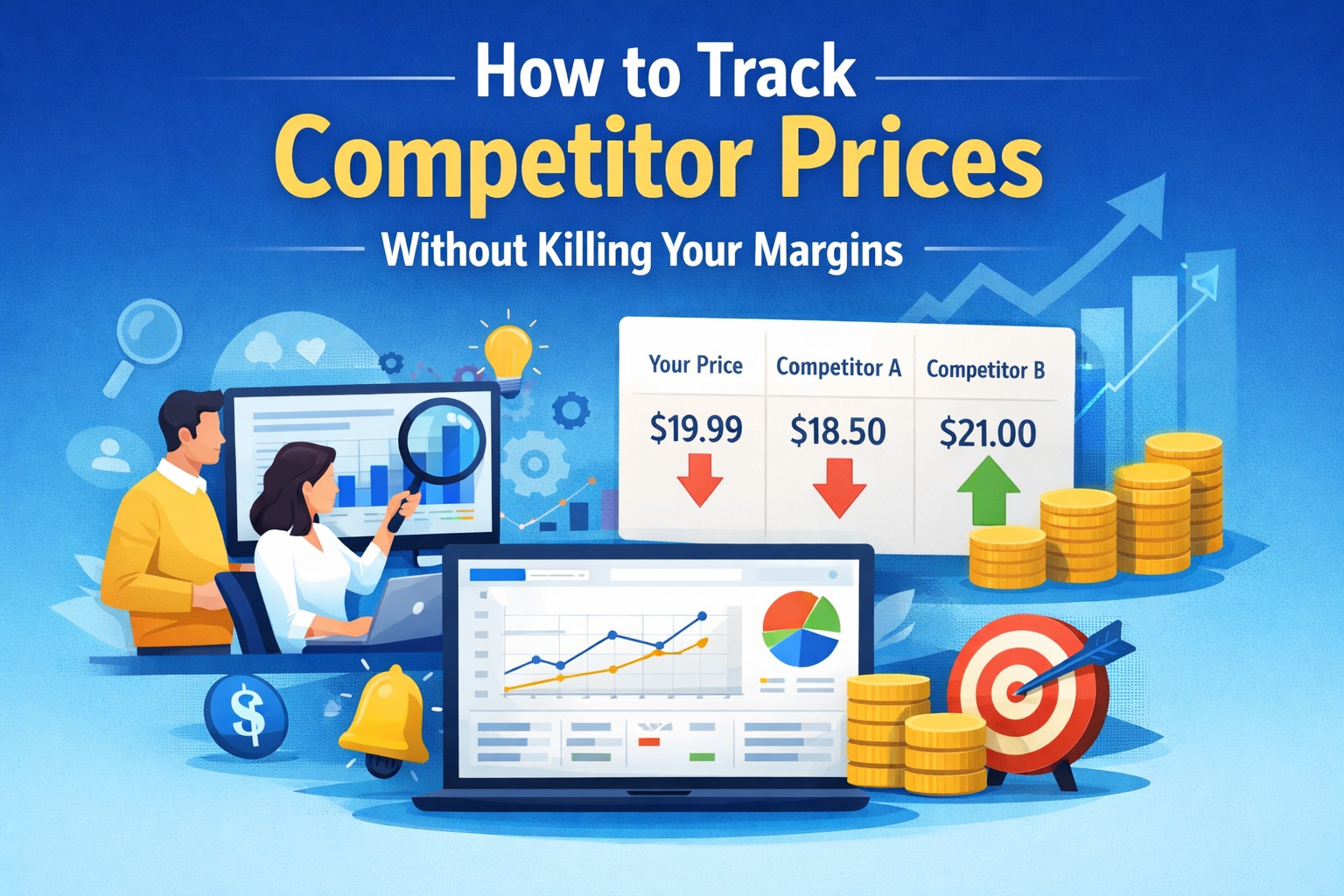
Knowing what your competitors charge is no longer optional. In today’s fast-moving market, pricing decisions directly affect profitability, customer perception, and long-term survival. Whether you operate a restaurant, food truck, retail store, or local service business, competitor pricing shapes the choices your customers make every day.
Despite its importance, many business owners either ignore competitor pricing or check it once and never revisit it. Markets change quickly, and outdated assumptions lead to lost revenue. This article explains why competitor price tracking matters, the different ways to do it, and how to turn pricing data into smarter business decisions.
Why Competitor Price Tracking Matters
Competitor price tracking allows businesses to stay competitive without falling into a race to the bottom. When you understand what others charge, you can position your pricing intentionally instead of guessing or reacting emotionally.
Tracking prices also helps you spot opportunities early. A competitor increasing prices may signal room for you to raise margins, while aggressive discounting could indicate an upcoming price war. Without visibility, these signals are easy to miss.
Most importantly, pricing data replaces gut instinct with evidence. Many businesses unknowingly underprice their products by ten percent or more. Over time, that margin loss adds up to significant missed revenue.
Manual Price Tracking
Manual price tracking is the most basic approach and requires only time and consistency. Business owners regularly visit competitor websites, menus, or stores and record prices in a spreadsheet.
This method is free and gives you a clear view of what customers see. However, it quickly becomes time-consuming and unreliable. Missed weeks, forgotten updates, and the lack of alerts make it difficult to spot trends or respond quickly.
Manual tracking works best for new or very small businesses with only a handful of direct competitors and limited budgets.
Monitoring Public Signals and Announcements
Another approach is monitoring public pricing signals through Google Alerts, social media, email newsletters, and review platforms. This method can reveal promotional pricing, limited-time offers, and how customers perceive competitor prices.
While mostly passive and free, it only captures changes that competitors publicly announce. Day-to-day price adjustments often go unnoticed, and the volume of irrelevant information can become overwhelming.
Public monitoring is most effective when used alongside another tracking method rather than on its own.
Mystery Shopping
Mystery shopping involves visiting competitors as a regular customer to observe prices, portion sizes, quality, and overall experience. This approach provides valuable context that online price checks cannot capture.
The downside is cost and effort. Purchases must be made, visits take time, and frequent checks may attract attention. Because of this, mystery shopping is best used periodically rather than as a primary tracking method.
Many businesses use mystery shopping quarterly to validate pricing data and better understand competitor positioning.
Automated Price Tracking Tools
Automated price tracking tools are designed to monitor competitor prices continuously. These platforms scan websites or locations, track historical changes, and send alerts when prices shift.
Automation saves time, improves accuracy, and ensures no important change is missed. Over time, historical data reveals patterns that manual methods rarely uncover.
The trade-off is cost and initial setup. For businesses that rely heavily on pricing strategy or operate in competitive markets, automation often pays for itself quickly.
Looking Beyond the Sticker Price
Price alone never tells the full story. Portion sizes, product quality, bundles, and promotions all influence perceived value. A lower price may come with smaller portions or fewer features, while a higher price might include better service or convenience.
Tracking promotional patterns is especially important. Understanding when competitors discount or bundle products helps you anticipate customer behavior and plan counter-strategies.
Monitoring new product launches and removals can also reveal where competitors see opportunity or where offerings are underperforming.
How Often Should Prices Be Tracked?
The ideal tracking frequency depends on the industry. Restaurants and food trucks typically benefit from weekly checks, while retail and e-commerce businesses often require daily monitoring. Service-based businesses can usually track monthly.
During periods of high competition, such as seasonal peaks or new market entrants, increasing frequency is essential regardless of industry.
Turning Pricing Data Into Action
Collecting data is only valuable if it leads to decisions. Businesses should define pricing response rules in advance, such as how to react when competitors raise or lower prices beyond a certain threshold.
Understanding your pricing position is equally important. Whether you aim to be premium, value-focused, or somewhere in between, consistency builds trust and clarity for customers.
Sharing pricing insights internally ensures teams understand strategy and can communicate value effectively.
Common Mistakes to Avoid
One of the most common mistakes is tracking too many competitors. Focusing on a small group of direct competitors produces clearer insights and avoids noise.
Another mistake is reacting to every price change. Not all adjustments require a response. Patterns matter more than isolated events.
Finally, many businesses forget to track their own pricing history. Without this context, it’s difficult to understand how pricing decisions affect sales and margins.
Conclusion
Competitor price tracking is a foundational business practice in 2026 and beyond. The specific method matters less than consistency and follow-through.
Successful businesses are not always the cheapest. They are the ones that understand their market, track competitors continuously, and make informed pricing decisions based on real data.
If you are still guessing, your competitors are not.